

Technology R&D
Cell Efficacy Assays
Cell-Based Efficacy Testing Platform:
- Inflammation: Mouse macrophage RAW 264.7 cells are induced by LPS to measure Nitric Oxide (NO).
- Arthritis: Human chondrocyte SW1353 or human synovial cell SW982 are induced by IL-1β, followed by measurement of NO (Nitric Oxide).
- Bone Health:
(1) Osteoclast assay: Mouse macrophage RAW 264.7 cells are differentiated into osteoclasts, and enzyme activity (TRAP activity) is measured.
(2) Osteoblast assay: Mouse pre-osteoblast MC3T3-E1 cells are differentiated into mature osteoblasts, and enzyme activity (AP assay) and calcium deposition are measured. - Lipid Droplet Accumulation: Mouse preadipocyte 3T3-L1 and human hepatocellular carcinoma cells HepG2 are induced to form lipid droplets. Qualitative and quantitative analysis is conducted using Nile Red or Oil Red, along with triglyceride quantification.
- Liver Fibrosis: TGF-β1 is used to induce LX-2 cells, and the expression of COL1A1, COL1A2, COL3A1, COL4A1, and MMP9 is measured.
- Sarcopenia: Mouse myoblast C2C12 cells are differentiated into myotubes, followed by Dexamethasone-induced myotube atrophy, and the width of fused cells is measured.
- Neuroprotection: Rat adrenal pheochromocytoma PC12 cells are differentiated and then damaged by Corticosterone to evaluate cell protective effects.
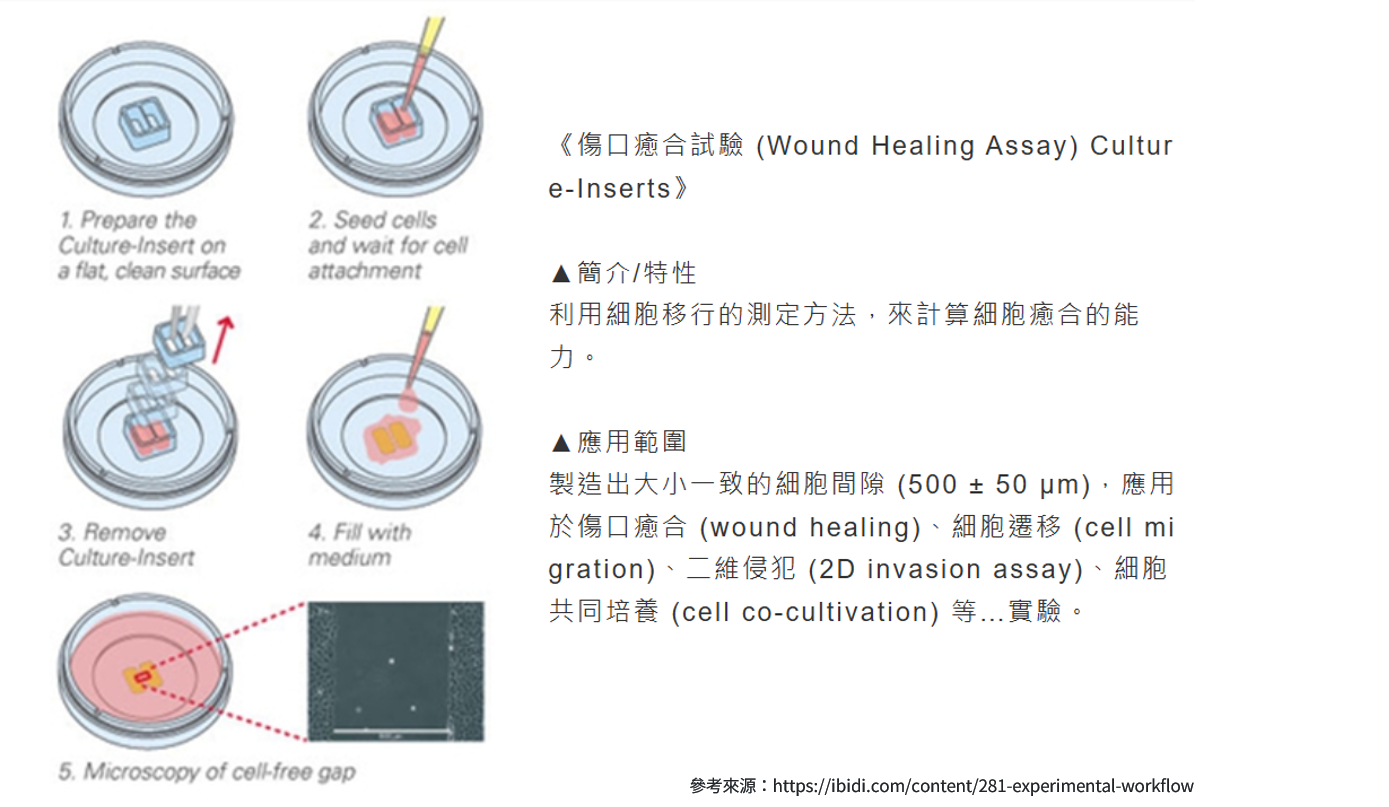
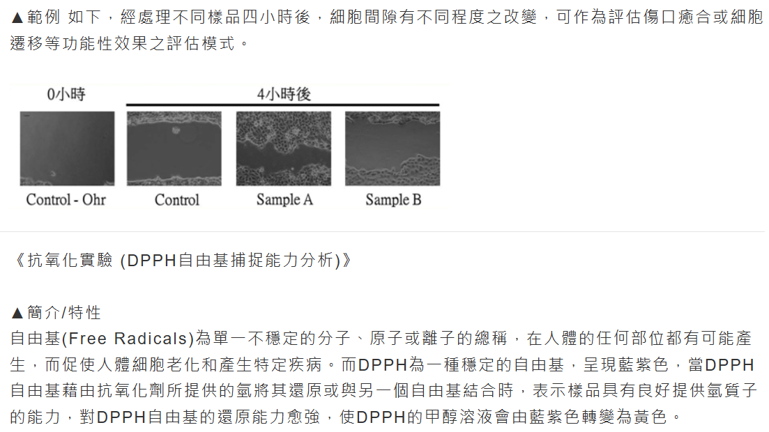
- Wound Healing: A circular gap is created using Stoppers or Inserts to evaluate the migration of human keratinocyte HaCaT cells.
- Whitening: Mouse melanoma B16-F10 cells are induced by α-MSH, and melanin deposition is measured.
- Anti-wrinkle: Human fibroblast HS68 cells are irradiated with UVA, and the expression of pro-collagen 1A1 is measured.
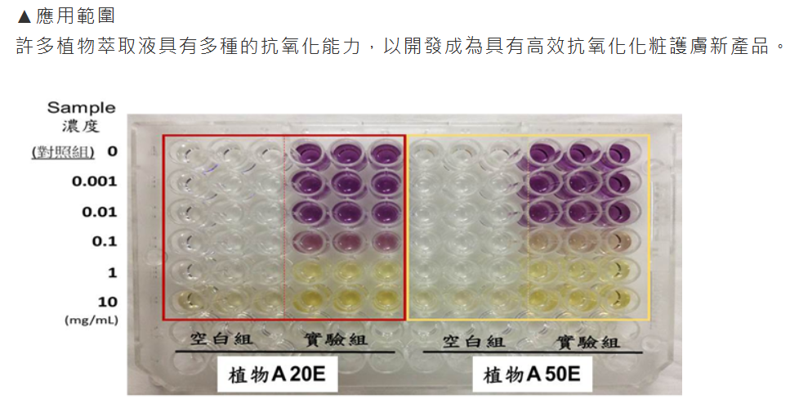
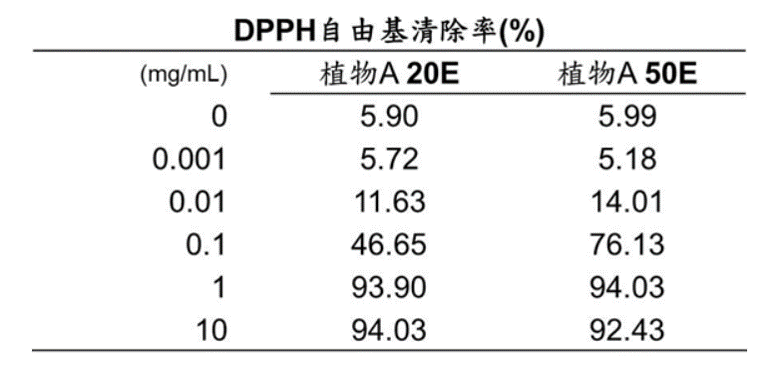
- DPPH Antioxidant Assay (Chemical Reaction)
- Hair Follicle Proliferation: Human dermal papilla cells are used to evaluate cell proliferation effects.
Focusing on pharmaceuticals and medical devices, supplemented by health foods and medicated cosmetics, promoting technology development and services, dedicated to the development and internationalization of the pharmaceutical industry, enhancing industry competitiveness!
Contact Information
 Customer Service Phone : 02-6625-1166
  Customer Service Email : pitdc_p@pitdc.org.tw
  Company Address : 7th Floor, No. 9, Wuquan Rd., Wugu District, New Taipei City, 248
  Line Official Account :
 Copyright © 2026 Medical and Pharmaceutical Industry Technology and Development Center All Rights Reserved.